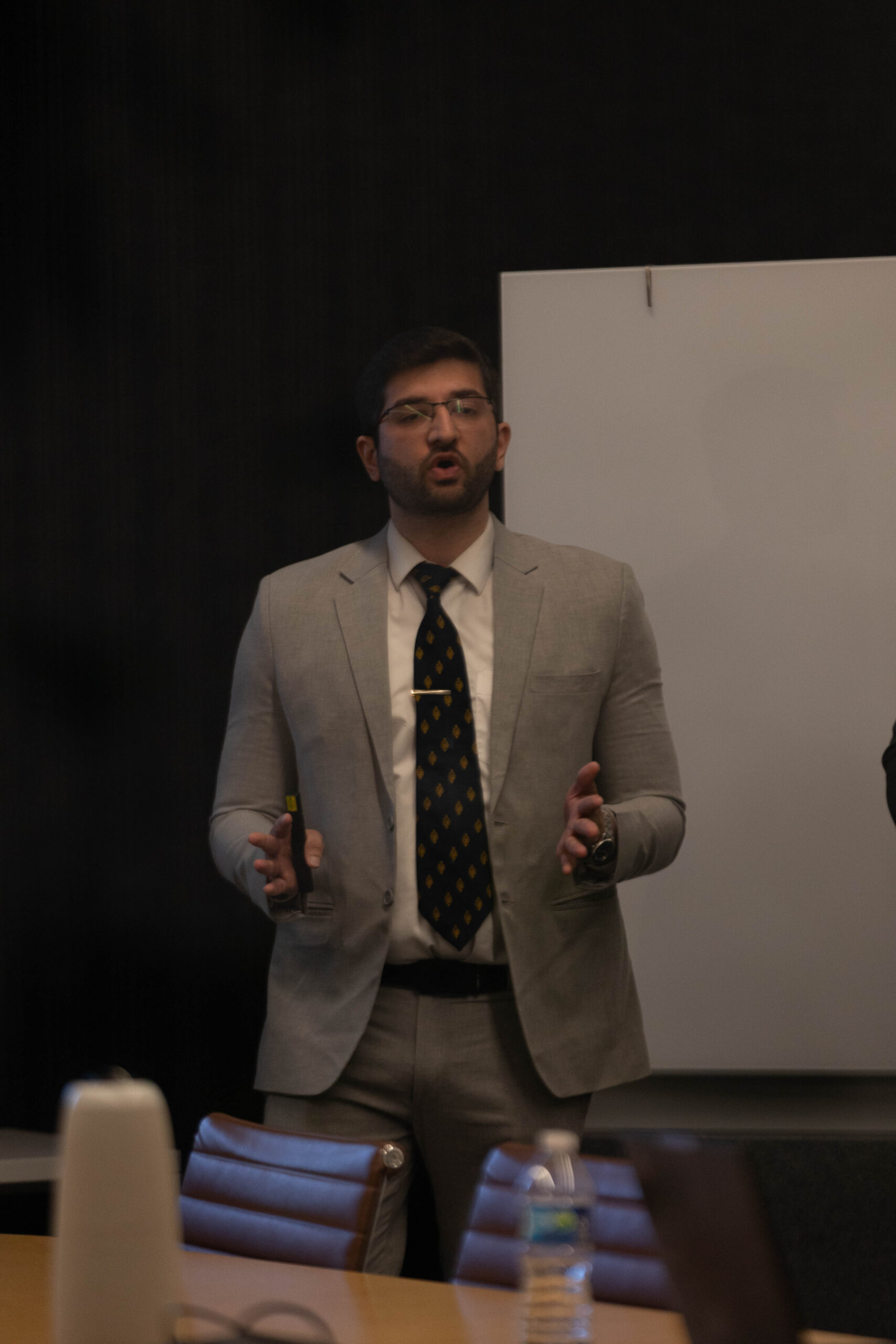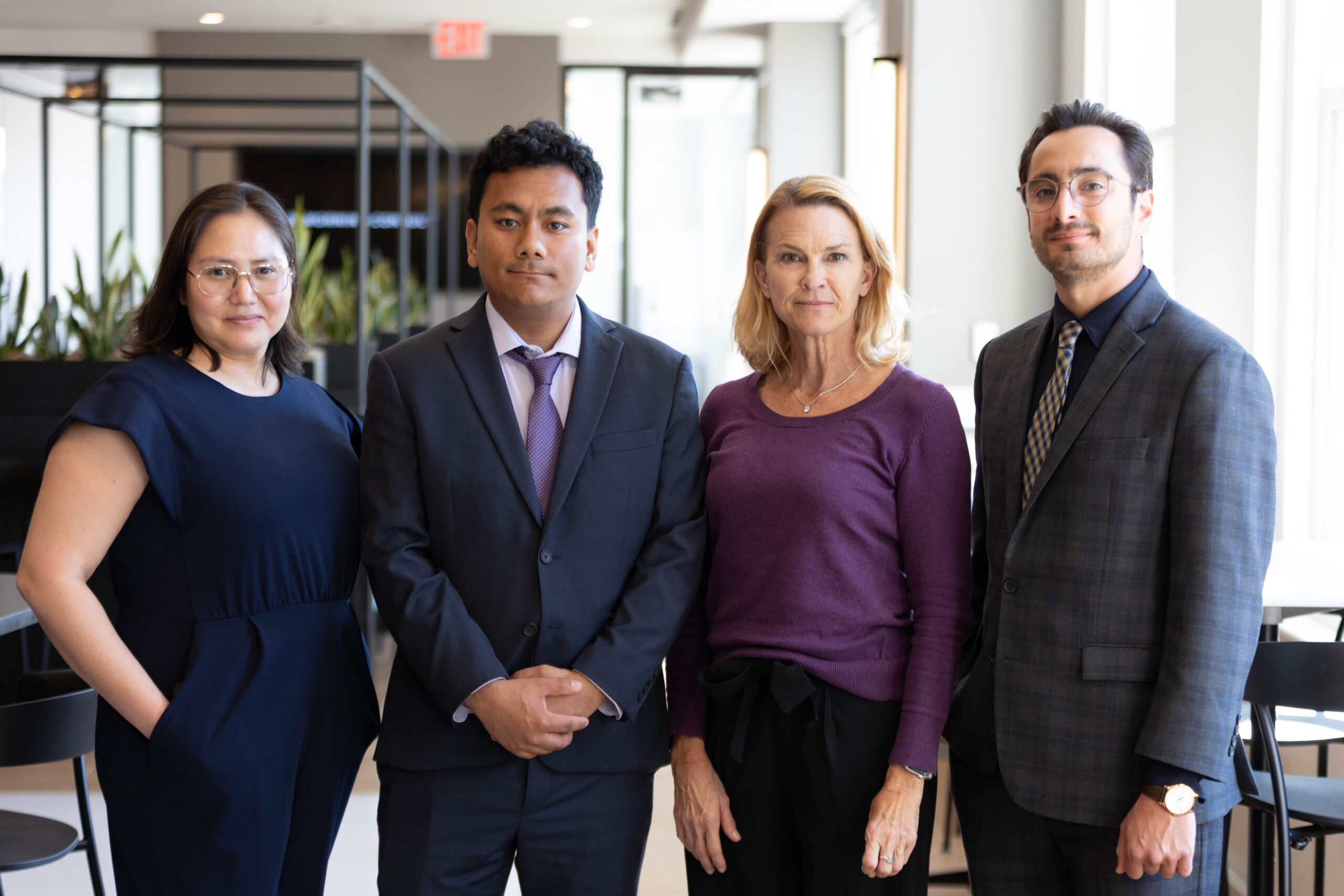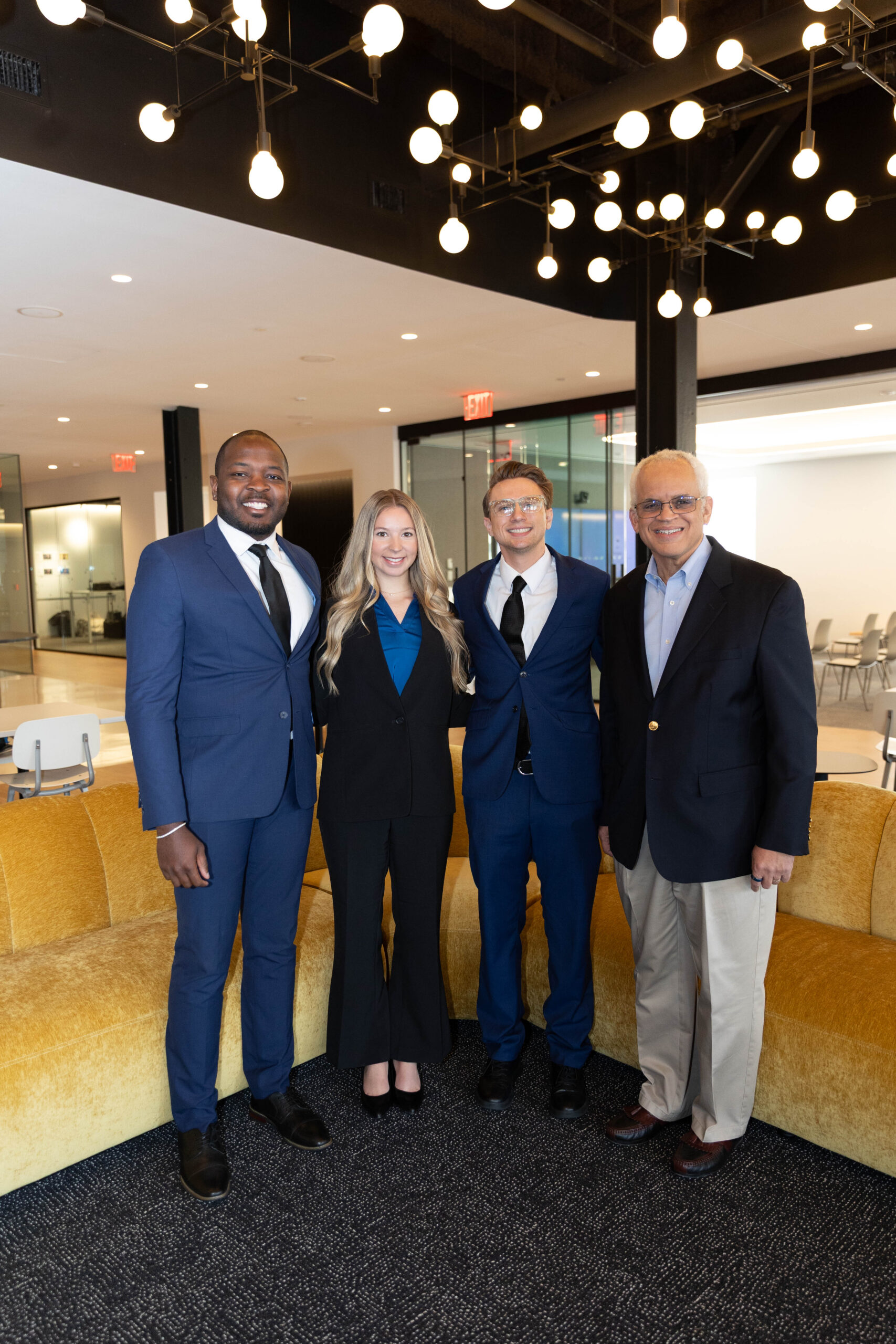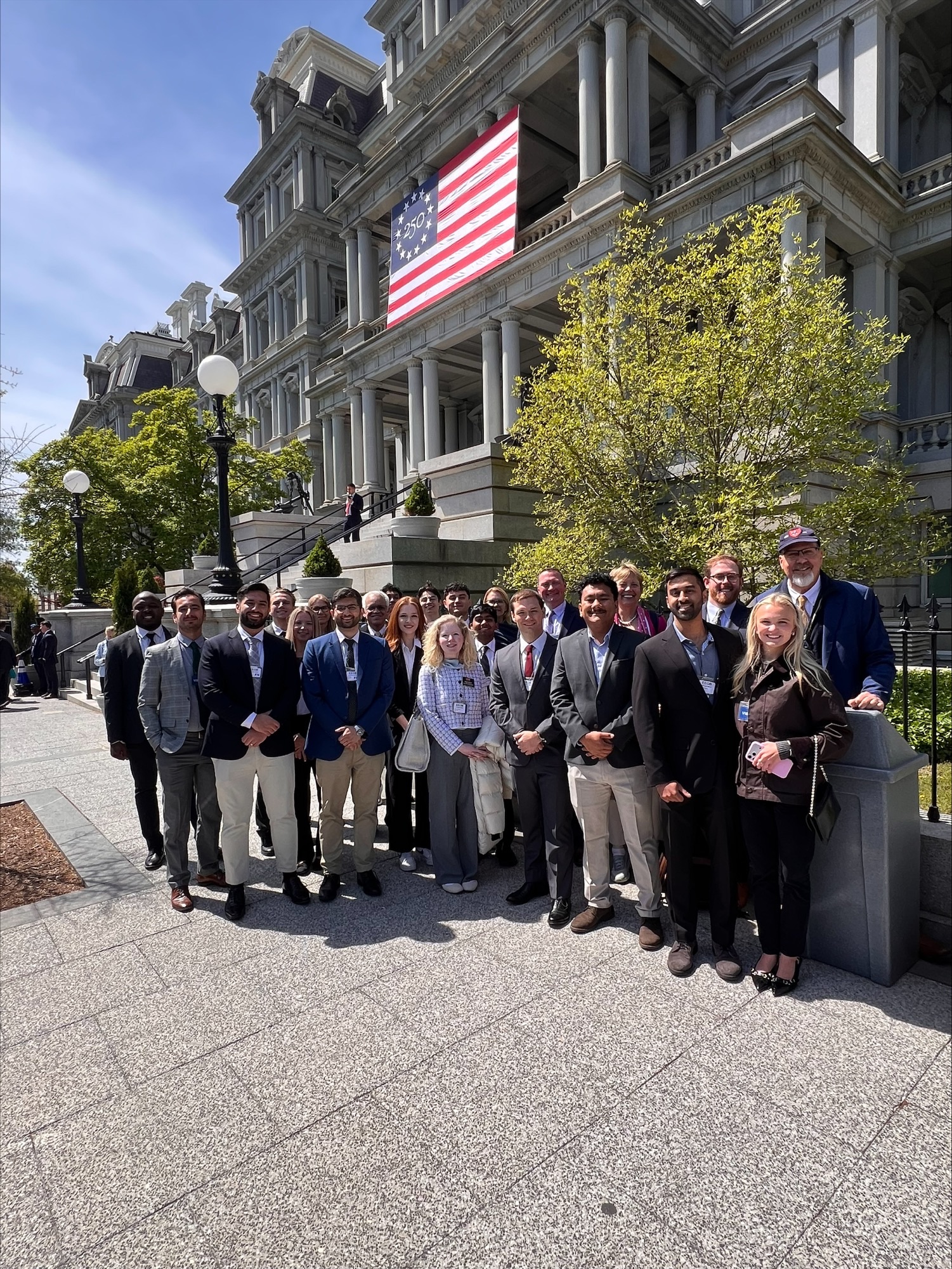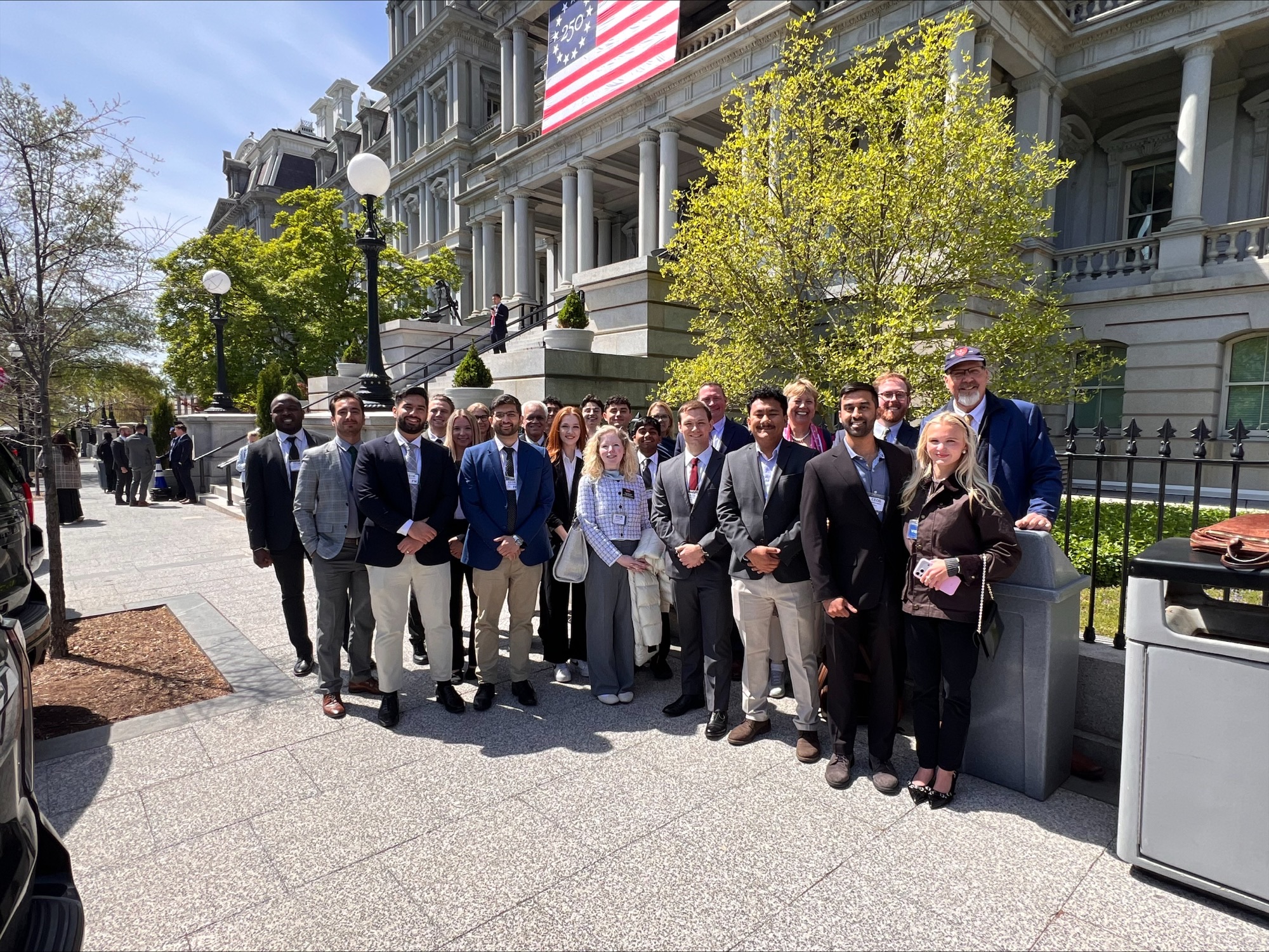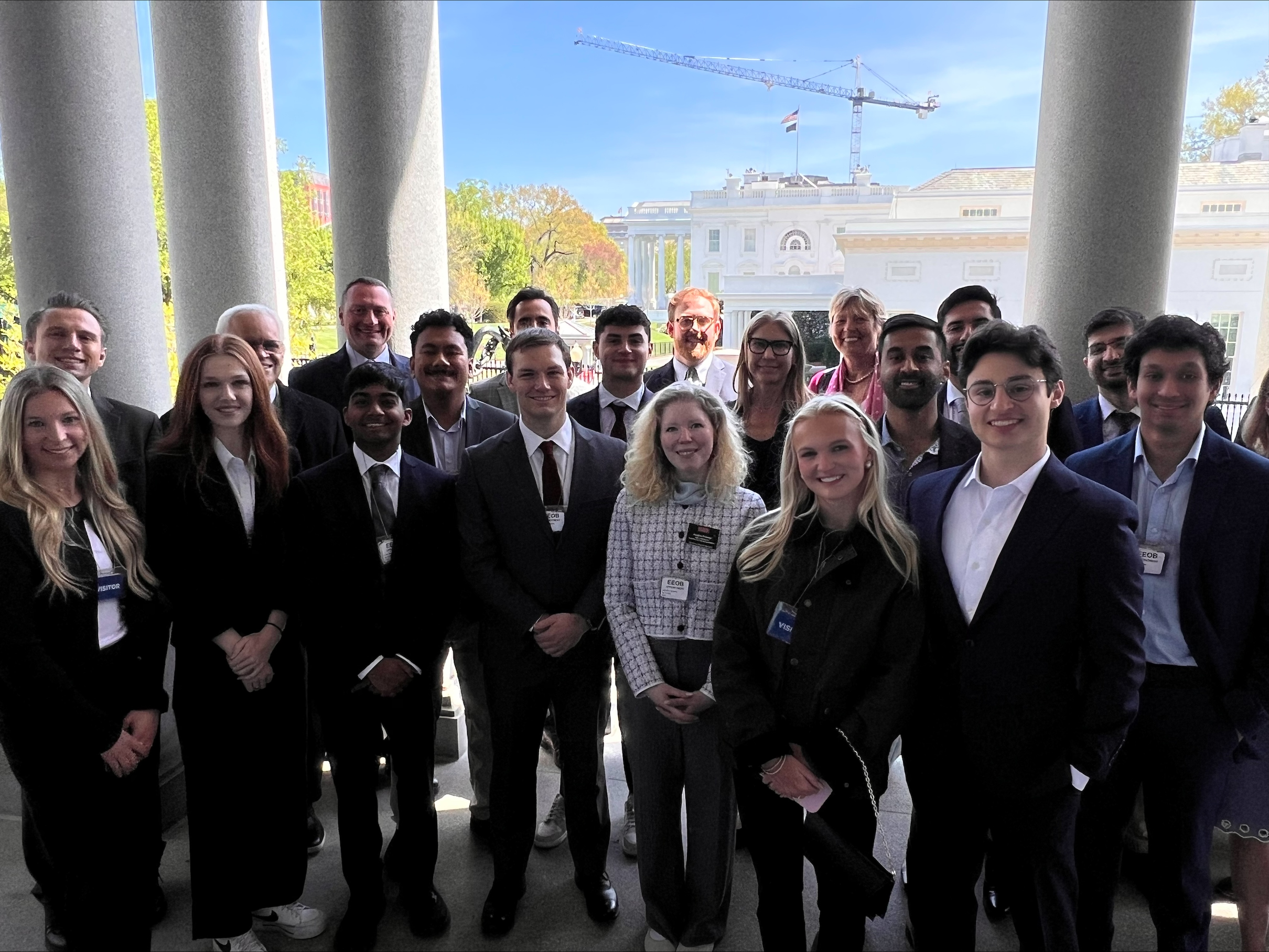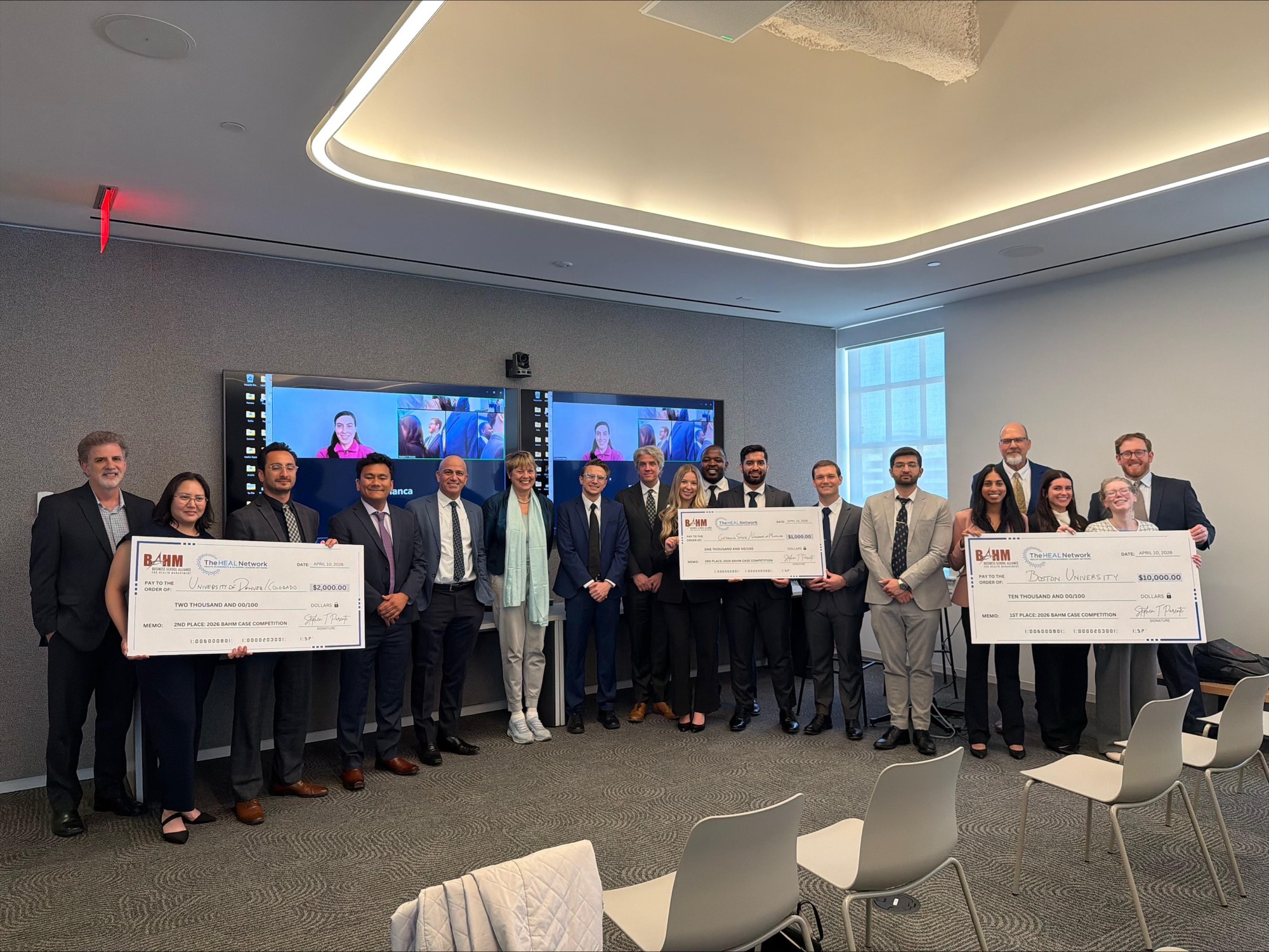
Last month, some of the brightest health management MBA students gathered in Washington, DC to tackle one of healthcare’s most stubborn problems: medical price transparency data exists in enormous quantities but almost no one can use it. The 2026 Business School Alliance for Health Management (BAHM) Case Competition, held April 9–10, challenged MBA student teams from seven leading business schools to change that. What they produced was a remarkable set of ideas that were practical, policy-grounded, and in some cases genuinely ready for market. The HEAL Network was proud to sponsor this flagship event, and we want to take a moment to profile the winning teams and the innovative thinking they brought to Washington.
About the Competition
The BAHM Case Competition has been a cornerstone of health management graduate education since 2011, giving students the opportunity to wrestle with real-world healthcare business challenges before distinguished panels of industry and policy experts. This year’s competition was hosted at the Washington, DC offices of Morning Consult and drew seven competing teams from BAHM member schools across the country.
The 2026 case topic, Consumer Engagement with Medical Price Transparency Data, was both timely and urgent. Federal rules now require hospitals and health plans to publish detailed pricing information, including negotiated rates for common procedures. Yet despite this unprecedented data availability, consumer engagement remains frustratingly low, and the promise of price transparency to reduce costs and improve decision-making has yet to be fully realized.
Teams were challenged to develop a scalable business plan capable of transforming publicly available pricing data into a consumer-facing solution that could reach and engage 5 million consumers by 2028. Plans were evaluated on strategic clarity, financial sustainability, policy relevance, and societal impact.
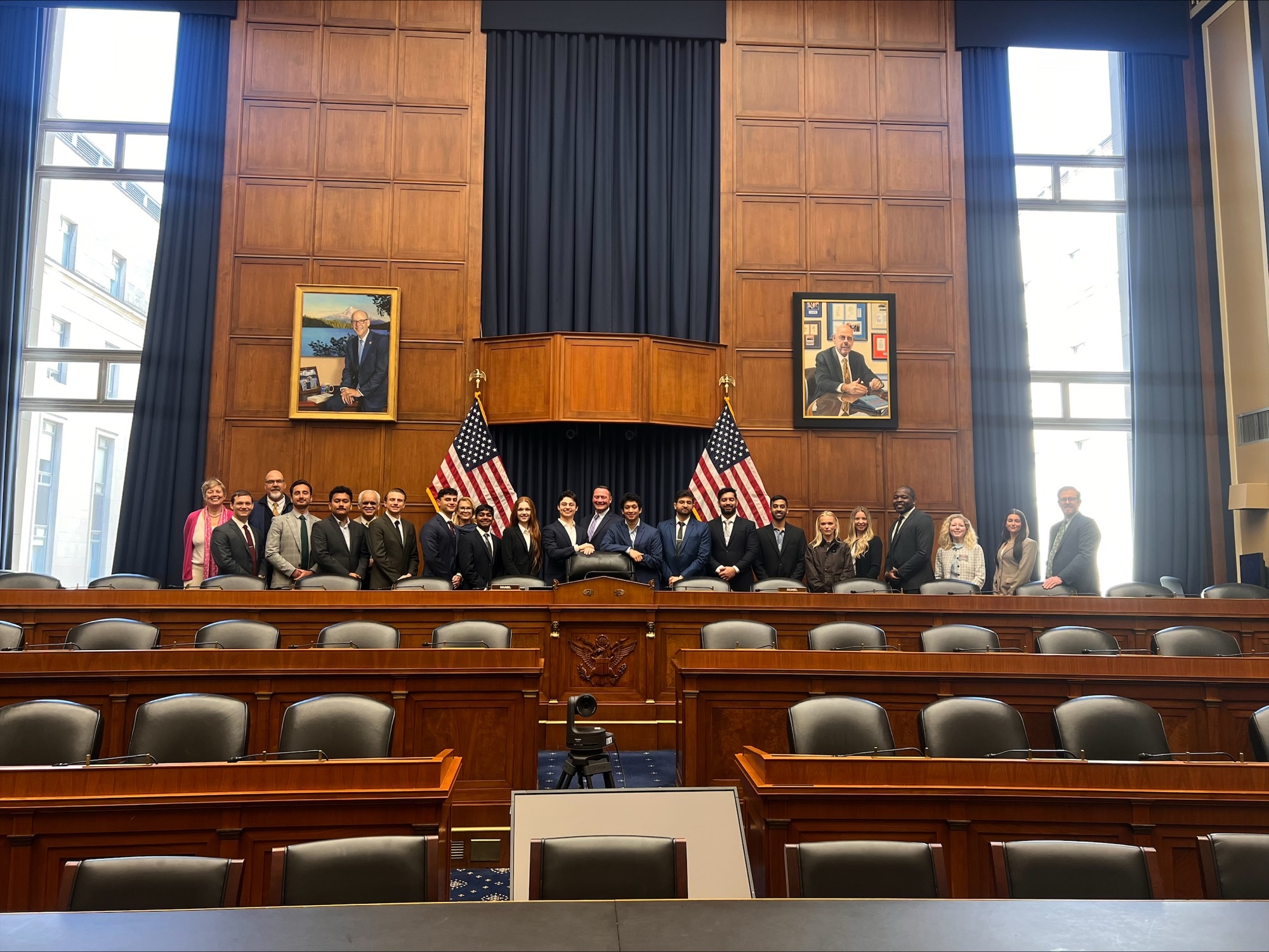
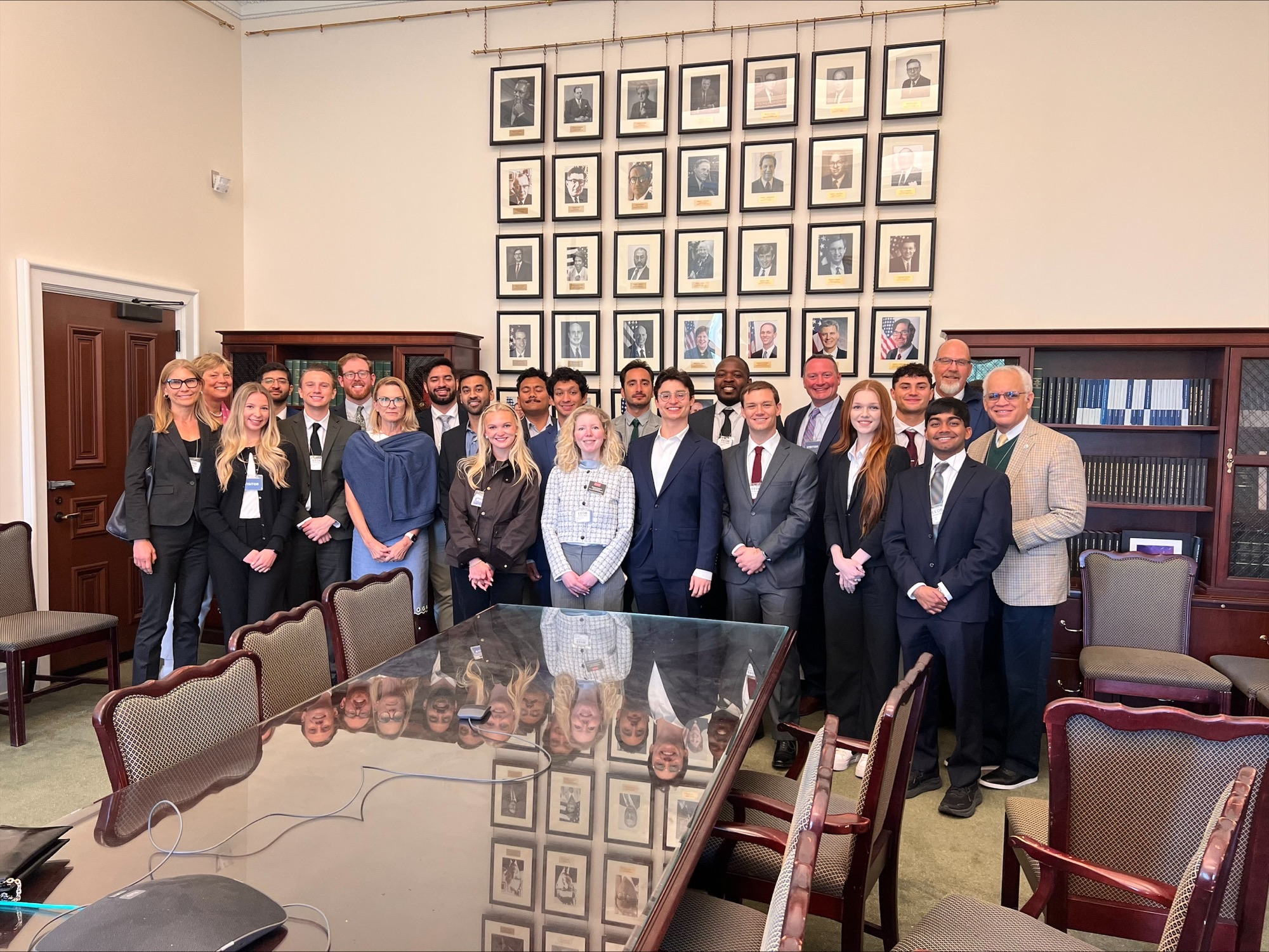
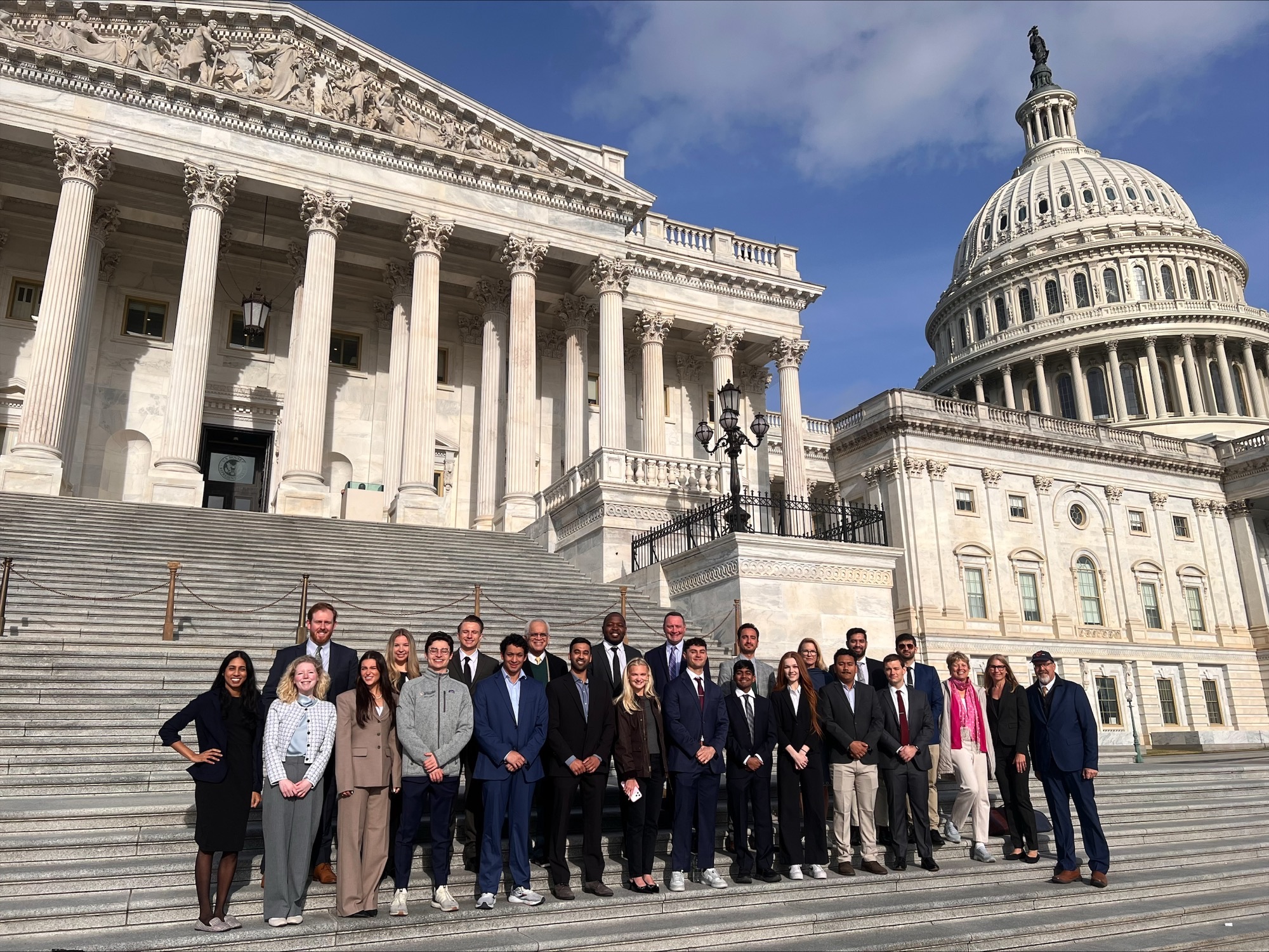
Beyond the competition itself, student teams and faculty visited institutions central to healthcare policymaking, including the U.S. Congress, the White House Council of Economic Advisers, the Centers for Medicare & Medicaid Services, and the Department of Health and Human Services. These visits connected the ideas generated in the competition directly to real-world policymaking.
The HEAL Network’s Sponsorship
The HEAL Network was proud to sponsor the 2026 case competition. As a community of economists and academics dedicated to advancing rigorous, evidence-based healthcare policy, HEAL’s mission is closely aligned with the goals of the BAHM Case Competition. HEAL Founding Director Dr. Stephen Parente, the Minnesota Insurance Industry Chair of Health Finance at the University of Minnesota’s Carlson School of Management, captured the spirit of the event well:
“Students were able to foster new collaborations, industry connections, and career opportunities, while connecting the ideas generated by the competition to real-world policymaking.”
Dr. Parente, who previously served as Chief Economist for Health Policy on the White House Council of Economic Advisers and as Senior Adviser to the Secretary for Health Economics at HHS, also served as faculty representative for the University of Minnesota’s competing team.
The Judges
Student presentations were evaluated by a distinguished panel of healthcare policy experts and industry leaders:
- Adam Atherly, Seymour and Ruth Perlin Professor of Health Administration and Internal Medicine, Virginia Commonwealth University
- Bryana Mayer, Adjunct Faculty, University of Minnesota Carlson School of Management
- John Barkett, Managing Director, BRG’s Healthcare Transactions and Strategy Practice
- Paul Fronstin, Director of Health Benefits Research, Employee Benefit Research Institute (EBRI)
- Blanca Baez, Founder & CEO, D’Bounce, Senior Lecturer, Medical Industry MBA
- Magda Rosnmöller, Professor at IESE Business School, Barcelona
Competing Teams
Seven universities brought their best ideas to Washington, each presenting an original consumer-facing healthcare pricing solution:
- Baylor University’s Hankamer School of Business
- Boston University Questrom School of Business
- Georgia State University Robinson College of Business
- Indian School of Business (ISB)
- University of Colorado Denver Business School
- University of Miami Herbert School of Business
- University of Minnesota Carlson School of Management
The Winning Ideas
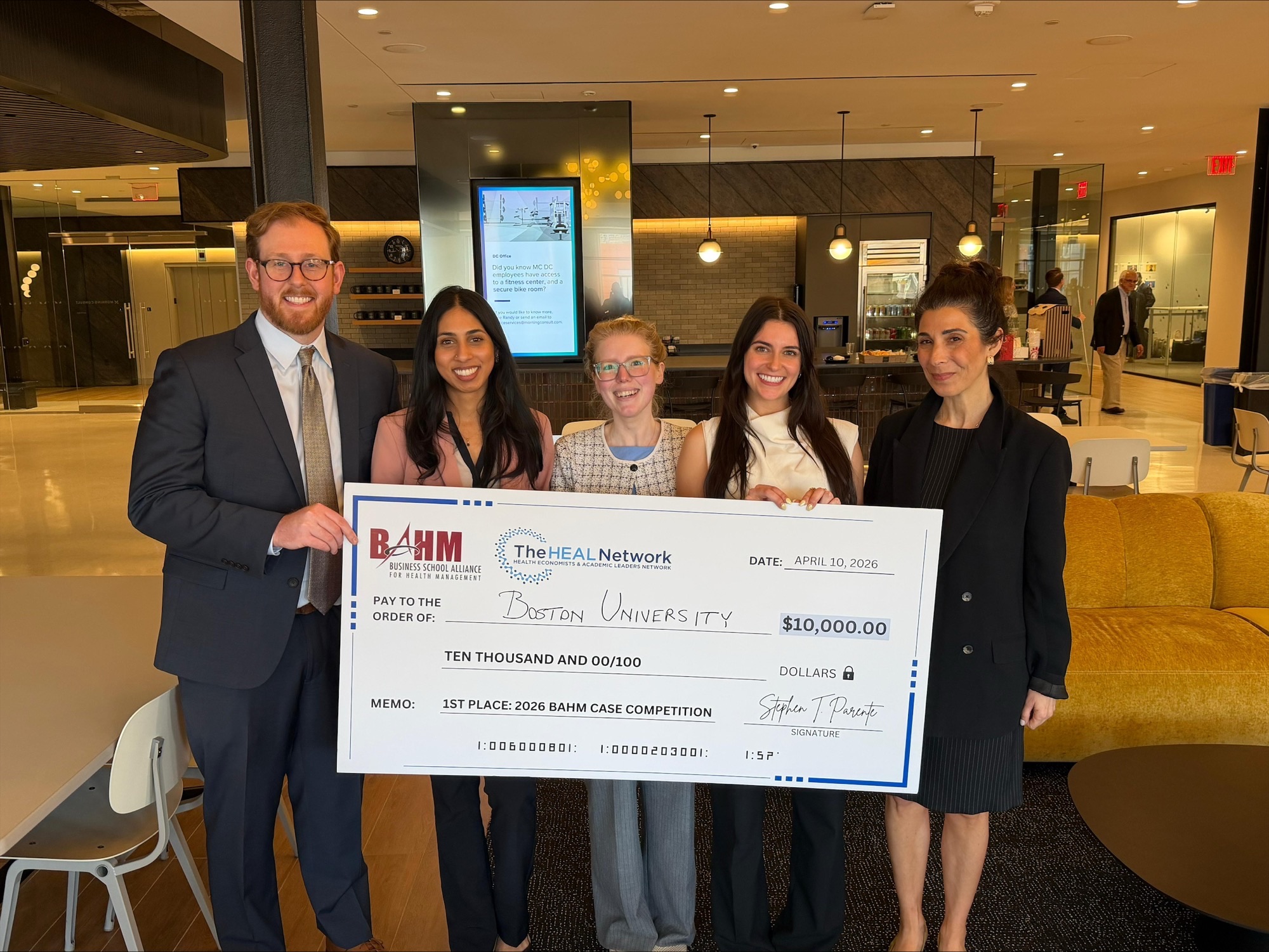
First Place: Boston University Questrom School of Business — PRISM

Team Members: Alexander Lansing, Gayatri Kasi, Jessica Freiman, and Kiera Fallon
Faculty Advisor: Rena Conti, Professor, Boston University Questrom School of Business
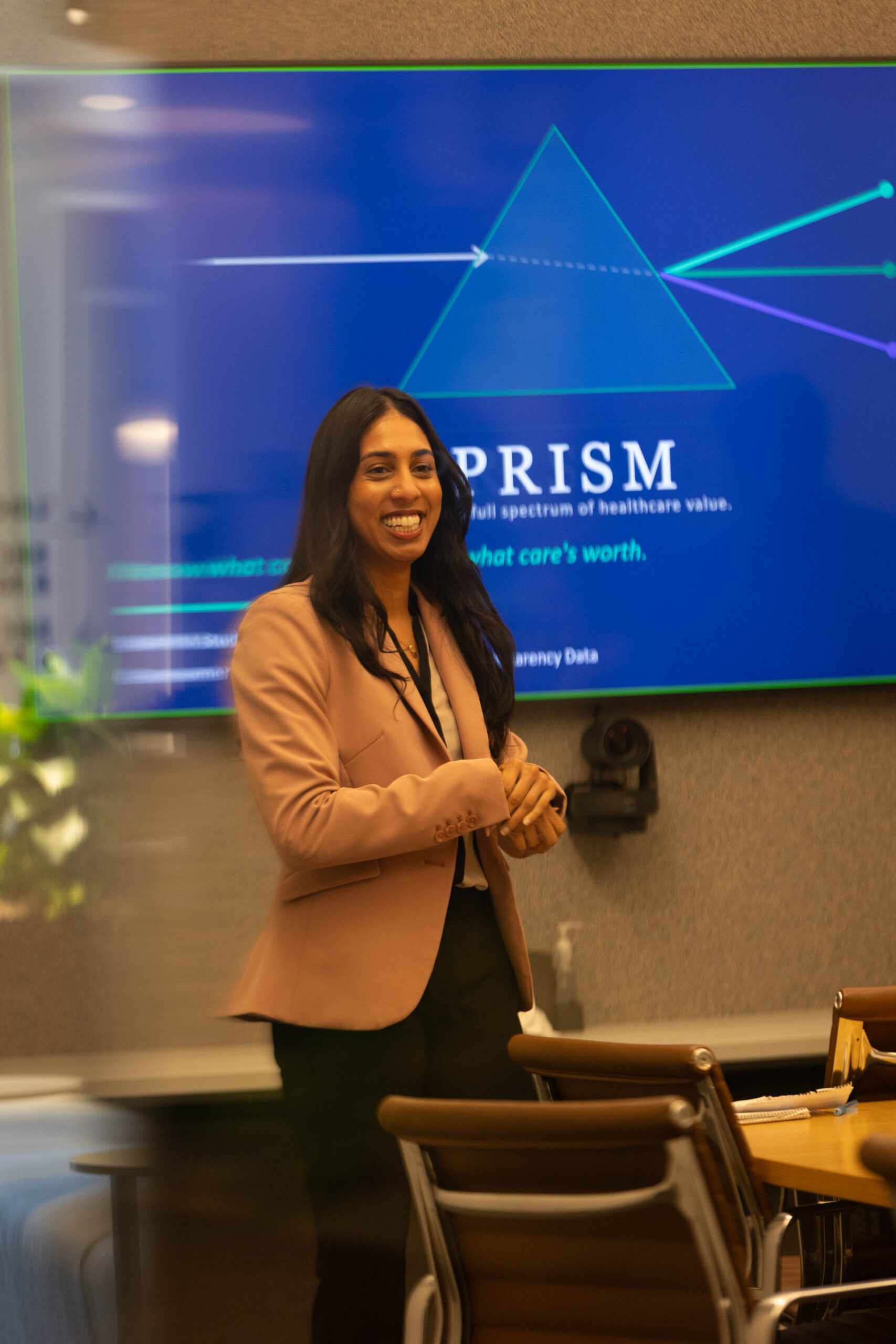
The winning team from Boston University took home first place with PRISM, a B2B2C SaaS platform that finally makes federal price transparency data functional for both employers and employees.
The team’s central insight was sharp: the data to make smarter healthcare purchasing decisions already exists in public files, but those files are effectively unreadable. PRISM ingests federal machine-readable pricing files, normalizes them, and layers in CMS quality metrics to produce a unified platform with two integrated tools: a network optimization dashboard for self-insured employers and a personalized decision tool for employees enrolled in high-deductible health plans (HDHPs), triggered at the moment of scheduling.
The model is elegant in its alignment of incentives. When an employee chooses a PRISM-recommended provider, the employer saves between $1,250 and $24,000 per procedure and the employee receives $500 to $2,000 or more back. Both parties benefit from the same decision. No app download required. No behavior change demanded.
The team identified a clear market gap: platforms like Turquoise Health and Payerset offer price analytics, and Leapfrog provides quality ratings, but no product combines both with a consumer-facing tool and employer incentive structure. PRISM occupies that space.
On the business side, PRISM’s revenue model runs on a SaaS subscription of $2–$8 per member per month, with a shared savings component (10–15% of verified cost reduction) layered in as the data matures. Distribution flows through major benefits consultants (Mercer, Aon, and Willis Towers Watson) who collectively advise on more than 100 million covered lives. Projected Year 1 revenue sits at approximately $12 million against roughly $4 million in operating costs, with a growth trajectory targeting 5 million consumers by 2028.
The team also made a compelling regulatory case: evolving ERISA fiduciary case law is increasingly establishing that employers who ignore available pricing data face real legal liability, making PRISM as much a compliance tool as a cost-reduction platform.
Second Place: University of Colorado Denver Business School — ClearCare

Team Members: Ali Teimouri, Sangay Mingyur, and Sara Rodriguez
Faculty Advisor: Leah Vriesman, Professor, University of Colorado Denver
The second-place team from the University of Colorado Denver presented ClearCare, an AI-powered B2B2C health-tech platform that embeds transparency intelligence directly into the existing workflow of Third-Party Administrators (TPAs) and electronic health records (EHRs).
ClearCare addresses a frustrating reality: even when pricing tools exist, fewer than 13% of patients use them, and more than 60% of consumers are unaware that price transparency legislation even exists. The team’s answer is to stop asking patients to seek out information and instead brings it to them proactively.
The platform works through three intervention points. Before care is delivered, ClearCare intercepts outbound medical orders and sends patients an SMS with their best local options the instant a provider places an order. At the point of decision, patients receive personalized alerts showing projected savings alongside a direct HSA deposit funded from employer savings—a real financial incentive to choose high-value care. After care, ClearCare’s auditing engine reviews bills against federal machine-readable files on a no-win, no-fee basis, retaining 15% only if overcharges are actually recovered.
The platform’s composite value scoring aggregates CMS machine-readable files, Leapfrog quality metrics, and real-time EHR data to generate a provider score covering cost, quality, distance, availability, and ease of data exchange. This is all rendered in plain language, without requiring patients to understand medical billing codes.
ClearCare’s business model is diversified: a $3.00 per-member-per-month TPA subscription, audit contingency fees, and financial partner origination fees. The team projects revenue growing from $570K in Year 1 to $15.5M by Year 3, reaching breakeven in Q4 2028 on total funding of $8–10 million. Distribution runs through TPAs, which already serve more than 63% of the insured population through self-funded plans.
Third Place (Tied): Georgia State University & University of Minnesota

Georgia State University Robinson College of Business — ClearPath Vista
Team Members: Austine Eziukwu, Chad Kuchvalek, and Kennedy Montfort
Faculty Advisor: Christopher Johnson, Professor of Health Administration, Georgia State University
The Georgia State team’s ClearPath Vista targeted health plans rather than employers, recognizing that payers control both the data environment and the member experience, and therefore hold unique leverage to drive behavior change at scale.
ClearPath Vista is a payer-facing member navigation platform built around three integrated modules. Price Passport handles pre-service steerage, drawing on Turquoise Health’s pricing infrastructure and Garner Health’s provider-quality intelligence to surface personalized episode options before members schedule care. BillGuard provides post-service protection, helping members understand their bills and resolve potentially incorrect charges. Care Cabinet serves as a year-round engagement hub, tracking benefit progress and delivering next-best-action guidance to keep transparency relevant beyond a single care event.
The team’s key differentiator was an episode guarantee: rather than providing loose cost estimates and leaving members to absorb financial risk, ClearPath Vista packages a defined episode of care with a guided provider choice and a firmer financial commitment—giving payers a stronger steerage mechanism and members the confidence to actually act.
The team’s research grounded this approach in compelling data: members in value-driven plans consult provider directories 64% of the time, compared to just 11% in traditional broad networks, suggesting that the experience design matters as much as the underlying data.

University of Minnesota Carlson School of Management — ClearPath CARE
Team Members: Roshaan Ashraf, Dominick Guertin, and Waleed Cheema
Faculty Advisor: Stephen Parente, Professor and Associate Dean, University of Minnesota Carlson School of Management
The University of Minnesota team presented ClearPath CARE, an AI-powered decision support platform that reframes price transparency as not merely a data problem, but a behavioral and systems design challenge.
ClearPath CARE embeds within employer-sponsored health benefits, targeting HDHP members in self-insured employer populations. The platform guides users from onboarding through care delivery: simplifying complex insurance information, supporting provider selection based on price and quality data, and enabling end-to-end scheduling through an AI interface focused on high-variation, shoppable services.
The team’s behavioral design approach set their proposal apart. ClearPath CARE integrates within prior-authorization workflows, ensuring that the platform surfaces at precisely the moment a consumer is about to make a healthcare decision — rather than asking users to proactively seek out a separate tool. Simplified interfaces, financial incentives tied to shared savings, and psychological nudges are designed to build cost-conscious habits over time, not just influence single decisions.
The platform’s data strategy integrates transparency data, provider quality metrics, and employer claims to generate personalized recommendations that improve continuously. A dual-revenue model—a low per-member-per-month subscription fee combined with performance-based gain-sharing—ties the platform’s success directly to measurable savings for both employers and members.
ClearPath CARE’s phased growth strategy leverages TPA, broker, and payer partnerships to scale from pilots to national adoption, with compliance and ethical safeguards built into the design from day one.
Looking Back, and Forward
The 2026 competition made one thing clear: the next generation of healthcare leaders is not waiting for the system to fix itself. From AI-powered bill auditing to behavioral design frameworks to payer-facing steerage platforms, these teams produced genuinely innovative thinking about a problem that policymakers and industry leaders have struggled with for years.
What struck us most was the convergence of ideas. Every winning team, coming from different schools and different angles, landed on the same core diagnosis: the data isn’t the problem. The problem is making that data usable, trustworthy, and actionable for the people who actually need it. That’s a meaningful signal, and one we hope the broader healthcare policy community takes seriously.
The HEAL Network congratulates all seven competing teams and their faculty advisors and extends special recognition to the winning teams from Boston University, the University of Colorado Denver, Georgia State University, and the University of Minnesota. Their work reflects the best of what graduate health management education can produce: rigorous analysis, practical business thinking, and a genuine commitment to making American healthcare work better for everyone.
We were proud to sponsor this event and look forward to watching these ideas and these students shape the future of healthcare. Be sure to scroll through the photos below for a look at the teams, the presentations, and the energy that filled the room in Washington on competition day.